Gaming Technology → Used Parts, Refurbished PCs & Smart Budget Upgrade Routes → Used Enterprise SSDs for Gaming Builds: When the Weird Storage Buy Is the Smart One
Most gamers are trained to think of used storage as the one category you never touch. That rule exists for good reasons, but it becomes too blunt when pricing pressure gets weird and enterprise parts start surfacing at far better cost-per-gigabyte than consumer favorites.
Gaming Laptop PickPortable Performance SetupASUS ROG Strix G16 (2025) Gaming Laptop, 16-inch FHD+ 165Hz, RTX 5060, Core i7-14650HX, 16GB DDR5, 1TB Gen 4 SSD
ASUS ROG Strix G16 (2025) Gaming Laptop, 16-inch FHD+ 165Hz, RTX 5060, Core i7-14650HX, 16GB DDR5, 1TB Gen 4 SSD
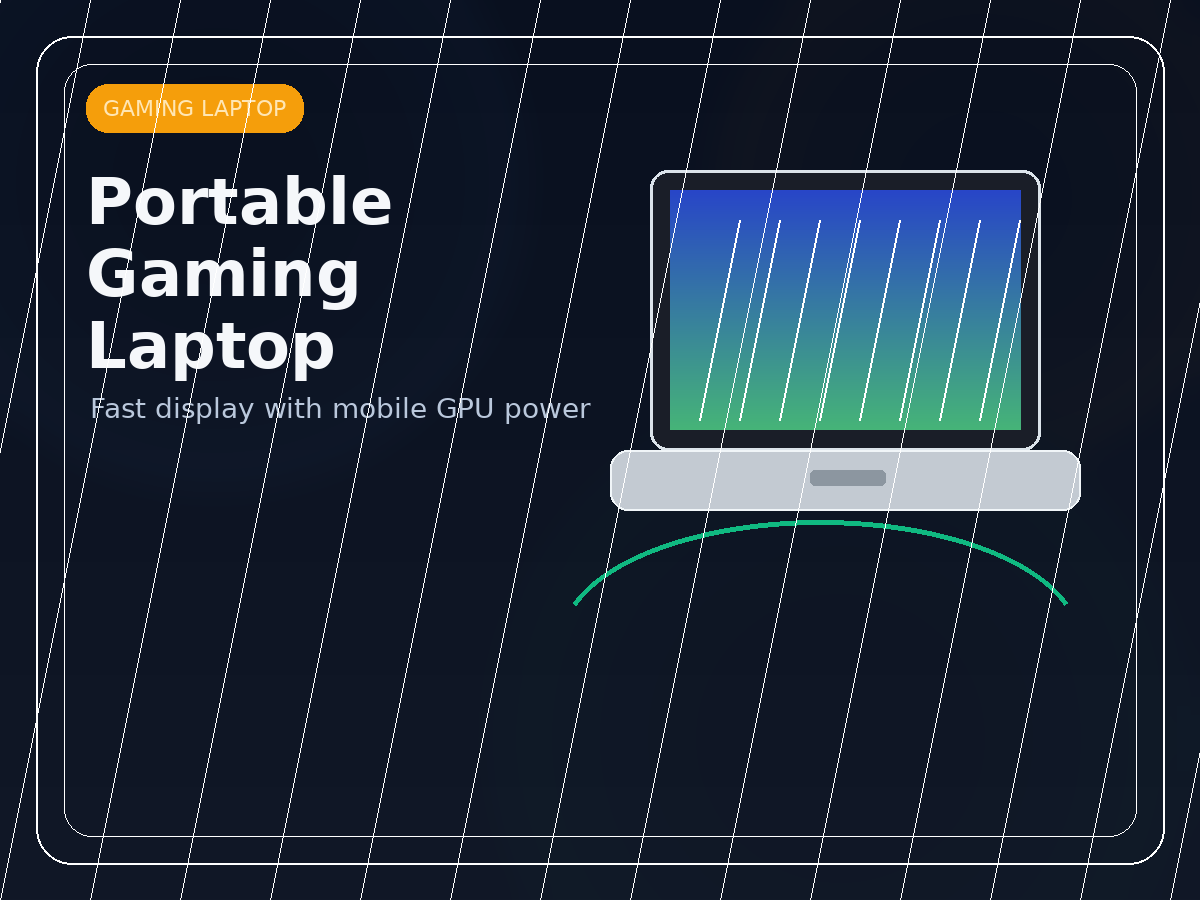
A gaming laptop option that works well in performance-focused laptop roundups, dorm setup guides, and portable gaming recommendations.
- 16-inch FHD+ 165Hz display
- RTX 5060 laptop GPU
- Core i7-14650HX
- 16GB DDR5 memory
- 1TB Gen 4 SSD
Why it stands out
- Portable gaming option
- Fast display and current-gen GPU angle
- Useful for laptop and dorm pages
Things to know
- Mobile hardware has different limits than desktop parts
- Exact variants can change over time
Used enterprise SSDs are not universal bargains. They make sense only when the buyer understands endurance, interface, cooling, and the difference between game-library storage and everything else.
This article earns its own place inside Used Parts, Refurbished PCs & Smart Budget Upgrade Routes because cheap enterprise storage can be brilliant or annoying depending on power draw, heat, and adapter complexity. It only becomes a smart buy when the surrounding setup, the budget split, and the next upgrade step still make sense after the choice is made.
Key takeaways
- Used enterprise SSDs are not universal bargains. They make sense only when the buyer understands endurance, interface, cooling, and the difference between game-library storage and everything else.
- This article sits inside Used Parts, Refurbished PCs & Smart Budget Upgrade Routes because cheap enterprise storage can be brilliant or annoying depending on power draw, heat, and adapter complexity. Read on its own, it can sound like a product story; read inside the lane, it becomes a setup story.
- For the broader Gamerelo tech map, step back to Gaming Technology and then move into the adjacent reads linked below.
Decision checkpoints
- Identify whether the real priority is convenience, maximum performance, portability, or upgrade longevity.
- Price the hidden companions honestly: U.2 adapters, airflow demands, endurance myths, idle power behavior, and how much warranty ambiguity you are willing to accept. Those background costs usually decide whether the idea feels clever for one week or satisfying for the full ownership cycle.
- Compare this route with PCIe 4.0 vs PCIe 5.0 SSDs for Gaming: What Actually Changes and Refurbished Prebuilt PCs vs Used Custom Builds: Which Secondhand Route Is Safer before assuming the most unusual option is the smartest one. In this category, the better answer is often the one that reduces friction rather than showing off complexity.
- Check how this decision changes the rest of the setup, especially display, storage, networking, and noise.
- Use the adjacent reads below to test whether the strange storage buy is fixing a real capacity or value problem rather than adding one more compatibility variable. The quickest pressure test is to read PCIe 4.0 vs PCIe 5.0 SSDs for Gaming: What Actually Changes beside Refurbished Prebuilt PCs vs Used Custom Builds: Which Secondhand Route Is Safer before you spend anything.
Why these drives suddenly look tempting
The appeal is simple: some enterprise drives bring huge capacity, strong endurance, and surprisingly stable performance for prices that consumer Gen 4 and Gen 5 drives no longer make look ridiculous. That matters when a build is trying to hold large modern games, captured media, mods, and archives without spending absurd money on new premium NAND. Used Parts, Refurbished PCs & Smart Budget Upgrade Routes is the right hub for this discussion because it keeps the connector, chassis, and ownership questions tied together instead of turning them into isolated spec arguments.
They help most when the buyer wants a deep game library, a scratch space for captures, or a secondary drive that can take abuse. They help least when someone wants a single do-everything primary drive without thinking about thermals, adapters, power draw, or compatibility. That is why this topic also belongs beside Pcie 4 0 Vs Pcie 5 0 Ssds For Gaming What Actually Changes instead of living alone as a one-note buying tip.
Where they actually help a gaming build
The risks are not abstract. Health history, form factor weirdness, cooling requirements, and enterprise firmware behavior all matter. A good used enterprise SSD can be a brilliant secondary asset, but a bad one can become the loudest, hottest, most awkward component in the box. Buyers who already understand the surrounding route will usually get more value from pairing this read with SSD Pricing, RAM Pressure, and Why PC Builds Cost More Right Now.
The smart move is to treat these drives as role players rather than glamour purchases: not the drive that boots everything, but the drive that solves space and endurance better than flashy consumer branding does. Once buyers frame the decision that way, the category becomes far easier to judge honestly. Read against the rest of the library, it becomes clear why this fits next to Used Parts, Refurbished PCs & Smart Budget Upgrade Routes and Rising Component Prices Are Reshaping PC Gaming More Than You Think.
The risks buyers keep underestimating
The trap here is chasing novelty without checking ownership logic. The win condition is simple storage abundance that stays cool and dependable enough to disappear into the background That is why this article keeps folding back into Used Parts, Refurbished PCs & Smart Budget Upgrade Routes and the neighboring reads instead of pretending the category explains itself.
Another way to test the decision is to compare it against the cleaner route already mapped in Pcie 4 0 Vs Pcie 5 0 Ssds For Gaming What Actually Changes. If this path only looks good when its hidden costs are ignored, it is probably the wrong path. A useful way to test that is to map the decision across three layers: the room, the machine, and the habit pattern. The room asks whether the object fits physically and acoustically. The machine asks whether the ports, thermals, and performance profile make sense. The habit layer asks whether the owner will actually use the flexibility they are paying for. If one of those layers fails, the headline win often stops feeling like a win.
The smart way to fit one into a modern PC
The better route starts by asking what problem the machine needs to solve every week. When the answer is honest, the fit becomes clearer and the decision can be connected to neighboring reads like SSD Pricing, RAM Pressure, and Why PC Builds Cost More Right Now and Used Parts, Refurbished PCs & Smart Budget Upgrade Routes. When this category works, it usually improves more than one route at once. It can make a laptop become a desk machine, a mini PC become a couch box, a storage buy become a budget relief valve, or a display choice become a competitive advantage. That multiplier effect is the whole reason these topics deserve their own articles instead of a single paragraph inside a generic buying guide.
Gamerelo treats this as a systems-fit decision because the win condition is simple storage abundance that stays cool and dependable enough to disappear into the background. Read it back against Gaming Technology and then into Dream Value Gaming PC Build: Where to Spend More and Where to Stop so the purchase stays attached to the room, workflow, and long-term upgrade path.
Questions gamers still ask here
Is used storage too risky for gamers?
Sometimes, but not always. The answer depends on the role of the drive and how much health data the seller provides.
Should you boot Windows from one?
Only if the specific drive, interface, and health story are convincing. Many buyers are better off using one as a secondary drive.
Do games need a premium Gen 5 SSD anyway?
Not for most players. Capacity and stability often matter more than chasing the highest label.
Keep moving through this lane
Next, connect this topic to SSD Pricing, RAM Pressure, and Why PC Builds Cost More Right Now, Used Parts, Refurbished PCs & Smart Budget Upgrade Routes, Rising Component Prices Are Reshaping PC Gaming More Than You Think.
Books by Drew Higgins


Christian Living / Encouragement
God’s Promises in the Bible for Difficult Times
A Scripture-based reminder of God’s promises for believers walking through hardship and uncertainty.
