Gaming Technology → CPUs, RAM & Platform Tuning That Actually Matter → When a CPU Upgrade Beats a GPU Upgrade, and When It Does Not
Upgrade advice becomes misleading when it treats all slow-feeling systems the same. Some rigs are graphics-bound. Some are limited by CPU frame pacing, background load, or poor memory behavior. The best upgrade depends on what you are trying to fix.
Flagship Router PickQuad-Band WiFi 7 Gaming RouterASUS ROG Rapture GT-BE98 PRO Quad-Band WiFi 7 Gaming Router
ASUS ROG Rapture GT-BE98 PRO Quad-Band WiFi 7 Gaming Router
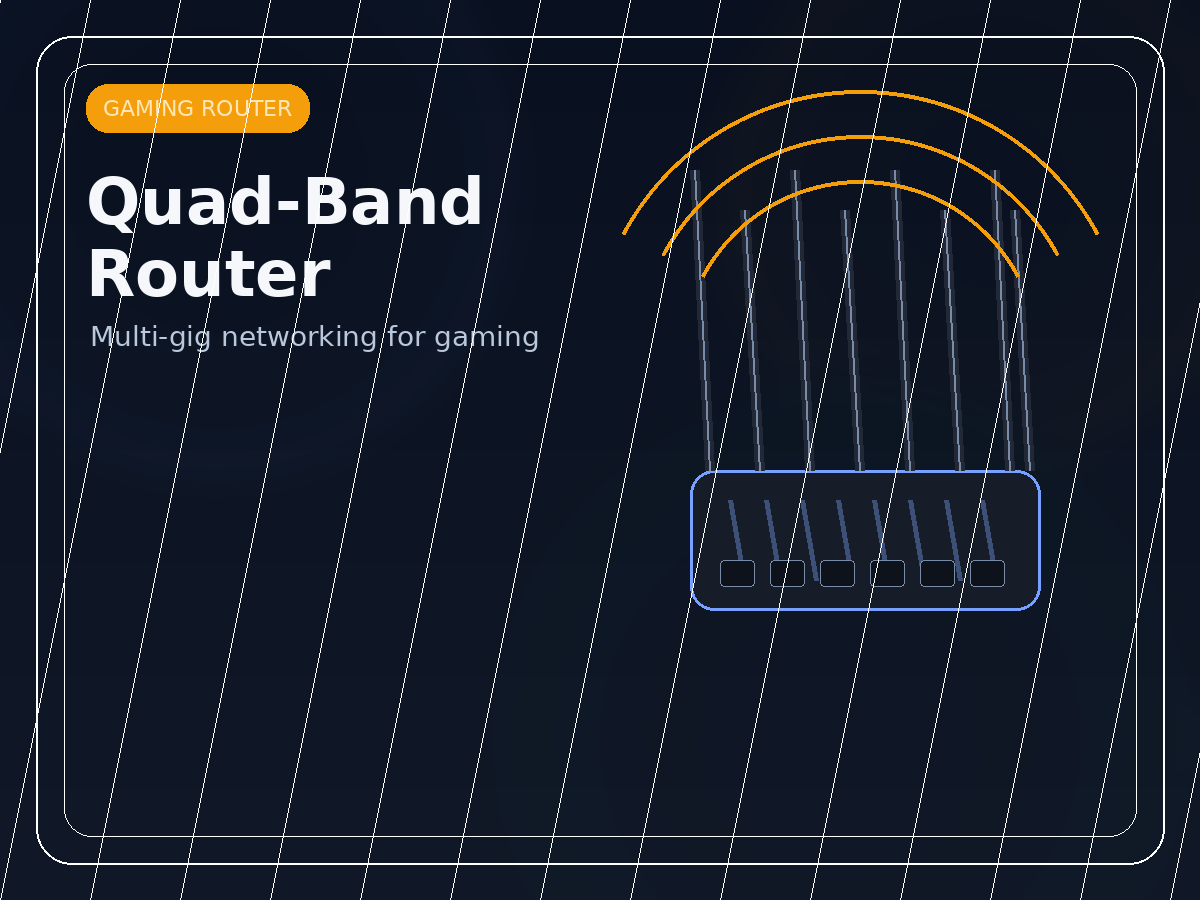
A flagship gaming router angle for pages about latency, wired priority, and high-end home networking for gaming setups.
- Quad-band WiFi 7
- 320MHz channel support
- Dual 10G ports
- Quad 2.5G ports
- Game acceleration features
Why it stands out
- Very strong wired and wireless spec sheet
- Premium port selection
- Useful for enthusiast gaming networks
Things to know
- Expensive
- Overkill for simpler home networks
This question matters because one good decision here can reshape the machine more than two smaller, scattered upgrades. The wrong answer can leave you with a nicer part and the same frustration.
What matters most here. The deeper choice is system balance under a budget ceiling. Upgrades work best when they solve the actual bottleneck instead of upgrading the most glamorous part by default.
CPU-versus-GPU upgrade questions are hard because the right answer only appears after the bottleneck is named honestly. The better upgrade is the one that removes the real pressure in the current machine, not the one with the louder marketing story.
Platform reality at a glance
| Platform question | What should drive the answer |
|---|---|
| Who this is really for | players deciding where the next serious chunk of money should go in a system that already works but no longer feels ideal |
| Where it shows up | upgrade-path decision making, bottleneck awareness, and system balance |
| Best argument for it | This question matters because one good decision here can reshape the machine more than two smaller, scattered upgrades. |
| Main reason to hold back | The wrong answer can leave you with a nicer part and the same frustration. |
Use this article inside the wider platform route — where to go next
Keep this platform decision connected to the wider CPUs, RAM & Platform Tuning That Actually Matter, then compare it with Ryzen 7 9800X3D Reality Check: Why Pure Gaming Buyers Still Gravitate Here and RTX 5070 Ti Reality Check: The Premium 1440p Card Most Buyers Actually Want so the CPU or memory choice stays tied to the kind of machine you actually want to live with.
- Start with Gaming Technology for the full library view, then use CPUs, RAM & Platform Tuning That Actually Matter as the dedicated platform lane. This is the balancing article for the whole lane, because it keeps platform enthusiasm attached to the actual bottleneck you are trying to solve.
- Closest same-lane reads: RAM Timings Explained for Gamers: Why Faster Kits Are Not Always Better and Ryzen 7 9800X3D Reality Check: Why Pure Gaming Buyers Still Gravitate Here.
- Bridge this hardware choice into a full machine through Dream Upgrade-Path Gaming PC Build: The Smart Machine You Can Grow for Years.
- If the real question is balance rather than bragging rights, read Ryzen 7 9800X3D Reality Check: Why Pure Gaming Buyers Still Gravitate Here beside Dream Upgrade-Path Gaming PC Build: The Smart Machine You Can Grow for Years. Those two articles usually show whether this CPU or memory decision is solving the bottleneck you actually feel.
How to tell which upgrade should go first
This decision becomes easiest when the buyer asks where the system feels strained in real use: frame pacing, background pressure, refresh-rate ceilings, visual ambition, or sheer graphics load. Once the stress point is named, the upgrade order stops feeling theoretical.
- Best fit when the buyer wants to stop guessing and stage upgrades logically.
- Weak fit if the machine is being judged only by average-FPS bragging rights.
- Strong bridge reads: Ryzen 7 9800X3D Reality Check and RTX 5070 Ti Reality Check.
The cleanest upgrade path is usually the one that changes the whole feel of the system, not the one that wins the most impressive isolated benchmark. That broader view is also what makes Dream Upgrade-Path Gaming PC Build: The Smart Machine You Can Grow for Years a natural follow-through read.
This is the article for the buyer who knows money needs to move somewhere but does not want to misdiagnose the machine. Sometimes the real limit is a processor that cannot feed a high-refresh target. Sometimes it is a GPU that has already reached the end of its display ambitions. That diagnostic discipline is why this piece belongs between Ryzen 7 9800X3D Reality Check: Why Pure Gaming Buyers Still Gravitate Here and RX 9070 XT Reality Check: Why This Radeon Hits the Value Nerve.
How to stop upgrading the wrong bottleneck
What When a CPU Upgrade Beats a GPU Upgrade, and When It Does Not changes in the feel of a gaming PC
This decision gets clearer once the machine is described honestly: is it chasing higher refresh, heavier visuals, smoother background behavior, or a cleaner long-term platform. Use Ryzen 7 9800X3D Reality Check: Why Pure Gaming Buyers Still Gravitate Here for the gaming-first case and Ryzen 9 9950X3D Reality Check: Where the Flagship CPU Is Actually Worth the Spend for the mixed-work case.
Relevant processor routes for this section
If you buy through the Amazon product links in this section, Gamerelo may earn a commission.
- AMD Ryzen 7 5800XT 8-Core, 16-Thread Unlocked Desktop Processor
- AMD Ryzen 5 9600X 6-Core, 12-Thread Unlocked Desktop Processor
- AMD RYZEN 7 9800X3D 8-Core, 16-Thread Desktop Processor
For the bigger platform decision, pair this article with CPUs, RAM & Platform Tuning That Actually Matter, Ryzen 9 9950X3D Reality Check: Where the Flagship CPU Is Actually Worth the Spend, and Dream Competitive Gaming PC Build: Chasing FPS, Clarity, and Low Latency
In the case of When a CPU Upgrade Beats a GPU Upgrade, and When It Does Not, the useful question is not just whether the part is fast. It is whether it changes the class of system you can build. Does it help a competitive machine stay smoother? Does it make a hybrid creator system stop feeling boxed in? Does it let you choose a different GPU tier because the rest of the machine is now better balanced? Those are the questions that make platform spending rational.
How to turn this diagnosis into a build move
Once you identify the real bottleneck, the next move should become narrower instead of broader. A CPU-bound high-refresh system should push toward Ryzen 7 9800X3D Reality Check: Why Pure Gaming Buyers Still Gravitate Here, while a visually ambitious but GPU-limited machine should slide back into Graphics Cards, VRAM & GPU Buying Reality. The key is not buying both fixes out of panic.
Where the sales pitch overstates When a CPU Upgrade Beats a GPU Upgrade, and When It Does Not
Platform marketing loves clean hierarchies, but When a CPU Upgrade Beats a GPU Upgrade, and When It Does Not shows why real gaming ownership resists them. The useful question is not whether a bigger number exists. The useful question is whether this specific platform choice improves the feel, balance, and future of the machine you actually use.
This article works best when it stays connected to the diagnosis branch of the lane. Keep it near Ryzen 7 9800X3D Reality Check: Why Pure Gaming Buyers Still Gravitate Here and RX 9070 XT Reality Check: Why This Radeon Hits the Value Nerve so the bottleneck question never turns into a blind part swap.
Gamerelo’s platform route matters here because bottleneck diagnosis has to reach beyond one benchmark chart. The right answer should make the whole machine feel more believable next month, not just more exciting tonight.
How When a CPU Upgrade Beats a GPU Upgrade, and When It Does Not fits inside a balanced gaming platform
No serious platform choice exists on an island. When a CPU Upgrade Beats a GPU Upgrade, and When It Does Not only becomes convincing when it is read alongside the actual use case, the surrounding parts, and the ownership horizon of the system.
This diagnosis becomes more useful when you picture the finished machine. Dream Upgrade-Path Gaming PC Build: The Smart Machine You Can Grow for Years is the right comparison for cautious builders, while Dream Value Gaming PC Build: Where to Spend More and Where to Stop shows how to stop the fix from becoming a budget spiral.
this whole article exists to keep GPU conversations honest by asking whether graphics power is truly the next constraint or only the most obvious headline.
The long-term ownership case for When a CPU Upgrade Beats a GPU Upgrade, and When It Does Not
The correct upgrade choice also pays off twice: it improves the problem you feel today, and it preserves a better path for the next purchase so the machine does not age through a sequence of mismatched fixes.
That sequencing matters most in unstable markets. A correct first upgrade can buy months of better use, preserve patience while graphics-card pricing settles, and keep you from stacking one rushed purchase on top of another.
Who should pass on When a CPU Upgrade Beats a GPU Upgrade, and When It Does Not and redirect the money
If the problem is plainly graphics load at the chosen resolution and settings, the CPU-first instinct can become a clever mistake.
That is why Gamerelo routes When a CPU Upgrade Beats a GPU Upgrade, and When It Does Not outward to display, storage, and build planning instead of letting it live as a sterile spec debate. This lane matters most when it stays attached to the rest of the machine rather than pretending the platform exists on its own.
How to move toward When a CPU Upgrade Beats a GPU Upgrade, and When It Does Not without wasting money
This is the article where upgrade order has to become honest. The goal is not to crown one part forever, but to identify which component is actually limiting the experience you care about and then spend in the order that keeps the rest of the build healthy.
The staged plan changes by use case. A competitive rig may chase CPU uplift first, a mod-heavy machine may need memory breathing room, and a visually ambitious setup may still need a stronger GPU before any processor pride matters.
Why 2026 rewards platform discipline more than hype around When a CPU Upgrade Beats a GPU Upgrade, and When It Does Not
This market keeps rewarding buyers who diagnose the system before they buy the part. A smarter CPU move can extend a GPU purchase window, but a graphics upgrade still wins instantly when the machine is clearly resolution-bound and starving for render horsepower.
The correct first upgrade creates patience because it stops the machine from feeling broken in the wrong place. Once the real bottleneck is fixed, later spending can be timed around opportunity rather than frustration.
Questions players ask before buying When a CPU Upgrade Beats a GPU Upgrade, and When It Does Not
Will When a CPU Upgrade Beats a GPU Upgrade, and When It Does Not feel different outside a benchmark chart?
Usually yes, if the current machine is genuinely held back by this upgrade-order decision. The first benefits tend to feel like a machine that finally addresses the real bottleneck instead of just buying the louder component, which is why these upgrades often matter more in daily use than a raw benchmark summary suggests.
Should memory or When a CPU Upgrade Beats a GPU Upgrade, and When It Does Not come first in the budget?
To diagnose the machine instead of guessing, combine this read with 32GB vs 64GB for Gaming in 2026 and RAM Timings Explained for Gamers. That path catches the cases where the system feels slow for platform reasons rather than raw processor weakness.
Does When a CPU Upgrade Beats a GPU Upgrade, and When It Does Not only pay off with expensive graphics cards?
Not at all. Balanced systems are often where this upgrade-order decision pays off fastest, because it removes hidden limits and lets mainstream or upper-midrange GPUs operate in a machine that finally feels settled.
Is When a CPU Upgrade Beats a GPU Upgrade, and When It Does Not really a gaming decision or a broader PC decision?
For many readers, the upgrade question is really about the whole way the PC is used. Gaming, chat, browser tabs, launchers, background recording, and storage-heavy libraries can all blur the line between a true GPU limit and a platform problem.
- Best fit when the buyer wants to stop guessing and stage upgrades logically.
- Weak fit if the machine is being judged only by average-FPS bragging rights.
- Strong bridge reads: Ryzen 7 9800X3D Reality Check and RTX 5070 Ti Reality Check.
This is also where the internal route matters. The article should not end at When a CPU Upgrade Beats a GPU Upgrade, and When It Does Not. It becomes more useful when it stays connected to the lane page, the closest same-lane comparison, and the build or platform article that turns the choice into a whole-system decision.
When the answer still feels architectural instead of component-specific, step outward into Dream Upgrade-Path Gaming PC Build: The Smart Machine You Can Grow for Years before forcing the budget into the wrong part.
How to tell which upgrade should go first in a full Gamerelo route
Continue through the library
Stay in this lane with RAM Timings Explained for Gamers: Why Faster Kits Are Not Always Better and Ryzen 7 9800X3D Reality Check: Why Pure Gaming Buyers Still Gravitate Here.
To see how upgrade order changes a complete machine, compare this article against Dream Upgrade-Path Gaming PC Build and Dream Value Gaming PC Build.
For the wider platform route that sits behind upgrade order, jump back to CPUs, RAM & Platform Tuning That Actually Matter.
Key takeaways for this article
- Treat When a CPU Upgrade Beats a GPU Upgrade, and When It Does Not as a whole-build decision, not just a benchmark headline.
- The smarter comparison is often this card versus a better monitor, quieter case, or stronger platform balance.
- Use Graphics Cards, VRAM & GPU Buying Reality first, then branch into Last-Gen GPU Reality Check in 2026: When RTX 4080 Super, RTX 4070 Super, and RX 7900 XTX Still Make Sense before you lock the budget.
The display and CPU pairing that make this card make sense
When a CPU Upgrade Beats a GPU Upgrade, and When It Does Not makes the most sense when the rest of the system is honest about what the card is supposed to do. That means matching the spend to the display, the CPU, the case airflow, and the power budget rather than assuming the top benchmark chart solves everything by itself. Readers who want the full route should stay inside Graphics Cards, VRAM & GPU Buying Reality and compare this decision with Last-Gen GPU Reality Check in 2026: When RTX 4080 Super, RTX 4070 Super, and RX 7900 XTX Still Make Sense before treating the card as a self-contained answer.
The risk at this tier is not just paying too much for one card. It is letting one ambitious GPU force weaker compromises everywhere else. A lower tier paired with a sharper monitor, quieter cooling plan, or cleaner platform can create the machine people actually enjoy more.
Why a whole-build comparison beats an isolated benchmark graph
A high-end GPU changes more than the frame-rate target. It also raises the stakes for CPU headroom, case airflow, power supply quality, and whether the system can actually use the extra graphics ceiling.
If you are still unsure whether a CPU-first move is wise, stop comparing abstract product classes and ask what your screen, game mix, and background load are actually exposing. That is how this article keeps diagnosis ahead of shopping.
Continue through the platform-balance route
- Graphics Cards, VRAM & GPU Buying Reality
- Last-Gen GPU Reality Check in 2026: When RTX 4080 Super, RTX 4070 Super, and RX 7900 XTX Still Make Sense
- Intel Arc B580 Reality Check: Budget Value, Driver Progress, and the Remaining Catches
- Ryzen 7 9800X3D Reality Check: Why Pure Gaming Buyers Still Gravitate Here
- Ryzen 9 9950X3D Reality Check: Where the Flagship CPU Is Actually Worth the Spend
Concrete CPU and GPU routes to compare side by side
To make the upgrade question more concrete, compare AMD Ryzen 7 5800XT 8-Core, 16-Thread Unlocked Desktop Processor, AMD Ryzen 5 9600X 6-Core, 12-Thread Unlocked Desktop Processor, and AMD RYZEN 7 9800X3D 8-Core, 16-Thread Desktop Processor against GPU-side routes like XFX Speedster MERC319 Radeon RX 6800XT Black 16GB GDDR6 (Renewed) and GIGABYTE Radeon RX 9070 XT Gaming OC 16G Graphics Card. The cleanest internal follow-ups are AMD Ryzen 7 5800XT: The Last Great AM4 Drop-In for Budget-Conscious Players, AMD Ryzen 5 9600X: The Smart New-Gen Starting Point for Competitive Builds, AMD Ryzen 7 9800X3D: The Competitive-Gaming CPU That Keeps Showing Up in Dream Builds, and GIGABYTE Radeon RX 9070 XT Gaming OC 16G: The All-AMD Card for Aggressive High-Refresh Builds.
Books by Drew Higgins

Christian Living / Encouragement
God’s Promises in the Bible for Difficult Times
A Scripture-based reminder of God’s promises for believers walking through hardship and uncertainty.


Prophecy and Its Meaning for Today
New Testament Prophecies and Their Meaning for Today
A focused study of New Testament prophecy and why it still matters for believers now.
Leave a Reply